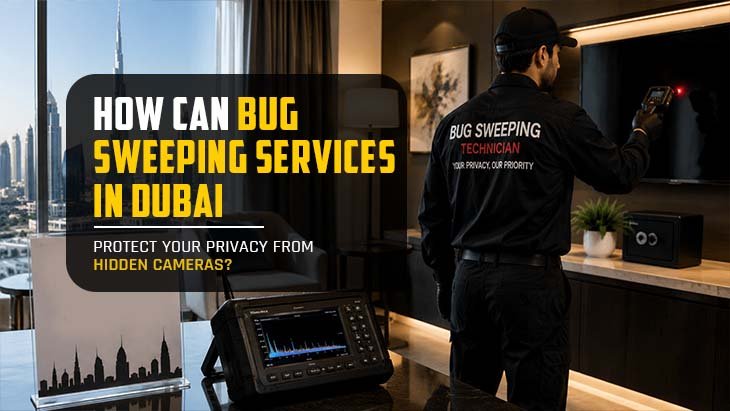
Hidden surveillance risks can affect personal privacy, workplace confidentiality, business security, and sensitive information. Surveillance may involve concealed cameras, listening devices, GPS trackers, unauthorized monitoring software, or other technologies used without proper knowledge or consent. Understanding these risks helps individuals and organizations recognize warning signs and take appropriate security measures.
What Are Hidden Surveillance Risks?
Hidden surveillance risks arise when monitoring takes place without the awareness or authorization of the people being observed. Hidden surveillance devices may be placed in offices, meeting rooms, vehicles, hotel rooms, homes, or other private areas. For businesses, unauthorized monitoring can expose confidential meetings, customer information, intellectual property, and strategic plans.
Common warning signs can include unfamiliar electronic devices, unexplained sounds or interference, unusual objects in private areas, unexpected network activity, or evidence that confidential information has been accessed.
Common Hidden Surveillance Devices
Surveillance equipment can be disguised as everyday objects. Examples may include miniature cameras, audio recorders, modified chargers, USB devices, clocks, smoke detectors, power adapters, and tracking equipment.
Because some devices are extremely small and difficult to identify visually, a professional inspection may be necessary when there is a genuine privacy or security concern. In such cases, professional Hidden Camera Detection Services can help identify concealed devices that a visual check alone may miss.
How to Detect Hidden Surveillance Devices
People often search for how to detect hidden surveillance devices after noticing something unusual. A basic inspection can begin by checking unfamiliar objects, examining areas with a clear view of private spaces, reviewing connected devices, and looking for unexpected wireless signals.
However, visual inspection alone cannot reliably identify every surveillance device. Professional detection may combine physical inspection with radio-frequency analysis, electronic testing, and other specialized techniques offered through professional Bug Sweep Services, which can provide a more thorough assessment than a basic self-check.
How to Find Hidden Cameras
Knowing how to find hidden cameras can help protect privacy in homes, offices, hotels, and other sensitive locations. Look for objects positioned toward beds, changing areas, workstations, conference tables, or entrances. Unusual lenses, tiny openings, unexplained wiring, or recently added electronic equipment may deserve further examination.
If a hidden camera is suspected, avoid damaging or tampering with the equipment. Document the location and seek appropriate professional assistance, particularly when the situation involves a workplace or potential legal issue.
How to Detect Listening Devices
Learning how to detect listening devices requires more than simply looking for microphones. Audio surveillance equipment can be concealed inside everyday objects and may use wired, wireless, or recording technologies.
A professional inspection can assess suspicious areas and electronic signals using appropriate detection equipment. This can be particularly important for boardrooms, executive offices, negotiation rooms, and locations where confidential discussions take place.
Corporate Surveillance Risks
Corporate surveillance risks can be particularly serious because unauthorized monitoring may expose trade secrets, financial information, business strategies, customer data, and confidential negotiations. Competitors, malicious insiders, or unauthorized individuals may attempt to obtain sensitive information through physical or electronic surveillance.
Businesses can reduce exposure by controlling access to sensitive areas, reviewing security procedures, protecting network infrastructure, educating employees, and conducting security assessments when suspicious activity is identified.
Technical Surveillance Countermeasures
Technical surveillance countermeasures are professional methods used to identify and assess potential surveillance threats. A TSCM assessment may involve physical inspection, radio-frequency analysis, detection of unusual electronic activity, and examination of areas where surveillance equipment could be concealed.
Organizations handling highly confidential information may consider periodic assessments as part of a broader corporate security strategy.
How to Protect Yourself from Surveillance
Practical privacy measures include:
- Restrict access to sensitive rooms and information.
- Keep track of unfamiliar electronic equipment.
- Use strong passwords and multi-factor authentication.
- Review connected devices and account activity regularly.
- Avoid discussing highly confidential matters in unsecured locations.
- Investigate unusual surveillance or privacy concerns professionally.
- Maintain clear workplace security and device policies.
Frequently Asked Questions
1. What are the risks of surveillance?
Surveillance can create privacy violations, information leaks, reputational damage, financial losses, and security concerns. In businesses, unauthorized monitoring can also expose confidential strategies and intellectual property.
2. Can my boss watch me on camera all day?
Workplace monitoring depends on applicable laws, company policies, the purpose of surveillance, and whether employees have been appropriately informed. Organizations should follow applicable privacy and employment requirements.
3. What are some examples of privacy risks?
Examples include unauthorized camera monitoring, audio recording, location tracking, account monitoring, data collection, and access to private communications or confidential information.
4. What are common hidden cameras?
Common concealed cameras may be integrated into clocks, chargers, smoke detectors, USB devices, power adapters, and other everyday objects.
5. What are the five types of surveillance?
Surveillance can broadly include physical surveillance, electronic surveillance, communication monitoring, computer or network surveillance, and location tracking.
6. How can you fight against surveillance?
Start by identifying the potential source, improving physical and digital security, limiting access to sensitive information, and seeking professional assistance when unauthorized surveillance is suspected.
7. How can I protect myself from surveillance?
Use strong digital security, control access to private spaces, inspect unfamiliar devices, protect sensitive conversations, and consider a professional security assessment when appropriate.
8. What are the three main types of surveillance techniques?
Three broad categories are physical observation, electronic monitoring, and digital or network-based surveillance. Modern surveillance can combine several techniques.
9. How can I escape surveillance?
Rather than attempting to evade lawful monitoring, focus on protecting privacy through secure communication, controlled access, strong cybersecurity, and professional assessment of suspected unauthorized surveillance.
10. When should a business consider a surveillance security assessment?
A business may consider an assessment after discovering suspicious equipment, experiencing unexplained information leaks, moving into a new sensitive facility, or before highly confidential meetings.