
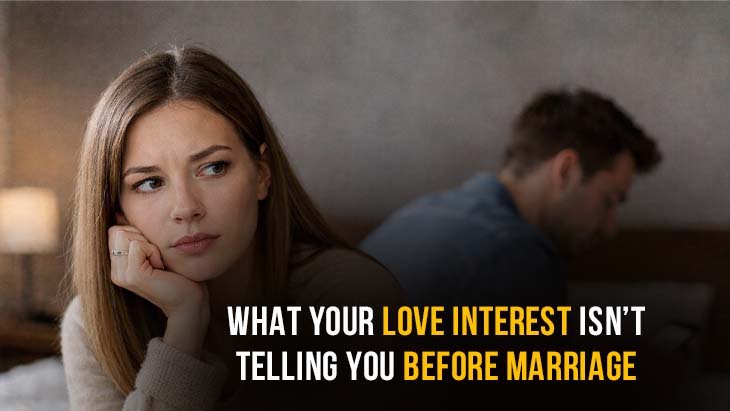
Marriage is often seen as the final step in a relationship, built on love, trust, and understanding. However, before reaching that stage, it’s important to realize that not everything in a relationship is always visible on the surface. pre matrimonial investigation Every person carries their own past, habits, fears, and experiences, and not all of these are revealed immediately. Sometimes these are small and harmless, but in other cases, they can significantly impact the future of the relationship. Being aware of this doesn’t mean expecting the worst, but it does highlight the importance of honest communication.
The Difference Between Privacy and Secrecy
Before assuming your partner is hiding something, it’s important to understand the difference between privacy and secrecy. Privacy is completely normal in any healthy relationship. Everyone has personal thoughts and experiences they may choose to share gradually. Secrecy, however, involves deliberately hiding information that could affect the relationship or important decisions.
Understanding this difference helps avoid unnecessary suspicion while still staying aware of important matters that should be discussed openly.
Financial Matters That May Not Be Fully Shared
Money is one of the most common areas where people are not fully transparent before marriage. A partner might not openly discuss debts, loans, spending habits, or financial responsibilities. This could include credit card debt, family obligations, or even risky habits like overspending or gambling.
Financial transparency is essential because money plays a major role in married life. When these topics are avoided, they can lead to stress and misunderstandings later. Having honest conversations about finances helps both partners build a stable and realistic future together.
Past Relationships and Emotional Baggage
Another area where people may hold back is their past relationships. While not every detail needs to be shared, deeper experiences such as unresolved emotions, trauma, or unhealthy patterns can influence current behavior.
Sometimes, partners hide these details to avoid judgment. However, understanding each other’s emotional background helps build empathy and strengthens the relationship. Ignoring these aspects can lead to distance or repeated issues in the future.
Family Responsibilities and Expectations
Family plays a big role in many people’s lives, especially in cultures where family involvement is strong. A partner may not fully share family expectations, responsibilities, or ongoing issues.
This could include financial support, family conflicts, or obligations that might affect married life. These topics are often avoided to prevent stress, but they can influence decisions and priorities after marriage. Open discussions about family expectations help avoid future misunderstandings.
Personal Habits and Lifestyle Choices
Daily habits and lifestyle choices are another area where people may not be completely open. This includes routines, health habits, social behavior, or even personal coping mechanisms.
In some cases, these habits may be minor, but in others, they could involve more serious concerns like addiction or unhealthy patterns. These details may not be visible in the early stages of a relationship, but over time, they can affect compatibility and overall happiness.
Career Goals and Future Plans
Sometimes, partners do not clearly communicate their long-term goals. This might include plans to move to another city or country, career changes, or lifestyle ambitions.
These are not necessarily secrets, but a lack of communication can lead to confusion. For example, one partner may prefer a stable life, while the other dreams of frequent change. Discussing future goals early helps both partners align their expectations.
Health and Personal Well-Being
Health is a sensitive topic that many people hesitate to discuss. This includes both physical and mental health conditions. While it may be difficult to talk about, it is important for building trust and preparing for the future.
Understanding each other’s health helps partners support one another and make informed decisions together.
Fear of Judgment and Rejection
One of the main reasons people hide things is the fear of being judged or rejected. Everyone wants to be accepted, and sometimes they worry that sharing certain details might change how their partner sees them.
This fear can lead to avoiding important conversations. Recognizing this helps create a more understanding approach, encouraging open and honest discussions.
Signs Your Partner May Be Hiding Something
It is not right to assume the worst, but certain behaviors can indicate discomfort. Avoiding direct answers, giving inconsistent responses, or becoming defensive over simple questions may suggest something is being held back.
The key is not to jump to conclusions but to use these signs as a starting point for calm and respectful conversations.
- Ask questions with care and listen without judging
- Focus on understanding, not accusing
The Importance of Open Communication
Open and honest communication is the foundation of a strong relationship. Creating a safe space where both partners feel comfortable sharing their thoughts is essential.
Instead of blaming or confronting, approach conversations with curiosity and understanding. This encourages trust and helps both partners open up naturally.
Building Trust Before Marriage
Trust is not built overnight. It develops through honesty, consistency, and respect. When both partners are open about their lives, it reduces surprises and creates a stronger bond.
Trust does not mean knowing everything instantly, but being willing to share and listen over time.
Accepting Each Other’s Imperfections
No one is perfect. Everyone has flaws, mistakes, and parts of their life they may not feel proud of. The goal is not to find someone with no secrets, but to build a relationship where honesty is valued and imperfections are accepted.
Being realistic helps create a healthier and more understanding partnership.
When Should You Be Concerned?
While many hidden things are harmless, some can be serious. If a partner consistently avoids important conversations, hides major aspects of their life, or refuses to communicate even after repeated efforts, it may be a warning sign.
In such situations, it is important to step back and evaluate the relationship before making a long-term commitment.
Preparing for a Stronger Future Together
Marriage is not about knowing everything, but about building a strong foundation based on trust, respect, and understanding. Asking the right questions and sharing your own experiences encourages your partner to do the same.
This mutual effort creates a deeper connection and prepares both partners for a realistic and stable future.
Conclusion
It is completely normal for some things to remain unspoken before marriage, but what truly matters is how they are handled. Detective agency Delhi relationship built on patience, empathy, and open communication can turn potential challenges into opportunities for growth.
Marriage is a partnership, and like any partnership, it thrives on trust and transparency. When couples communicate honestly and understand each other deeply, they create a relationship that is not only secure but also fulfilling.
FAQs
1. Why is it important to know your partner’s background before marriage?
It helps build trust, avoid risks, and make confident decisions about the future.
2. What is the difference between privacy and secrecy?
Privacy is personal space, while secrecy involves hiding important information that can affect the relationship.
3. What are common things people hide before marriage?
Financial issues, past relationships, health concerns, habits, and family responsibilities.
4. How can you tell if your partner is hiding something?
Evasive answers, inconsistency, and defensiveness can be possible signs.
5. How can couples build trust before marriage?
Through honest conversations, transparency, mutual respect, and open communication.