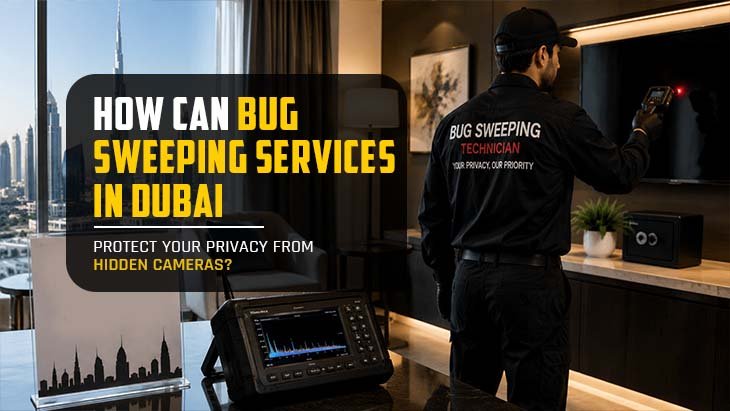

Bug sweeping services can help businesses identify potential electronic surveillance threats in sensitive corporate environments. Boardrooms, executive offices, conference rooms, and meeting spaces often contain confidential information about business strategies, financial decisions, mergers, acquisitions, product launches, and employee matters. A compromised meeting room can expose this information to unauthorized individuals. Regular TSCM sweeps provide a systematic approach to identifying potential hidden cameras, listening devices, wireless transmitters, and other forms of electronic surveillance.
What Is Corporate Boardroom Bugging?
Corporate boardroom bugging refers to the unauthorized placement or use of surveillance equipment to capture conversations, images, or other confidential information during business meetings.
A compromised boardroom may contain devices such as:
- Hidden listening devices
- Wireless microphones
- Miniature audio transmitters
- Hidden cameras
- Unauthorized recording equipment
- GPS or tracking devices
- Suspicious wireless transmission equipment
- Compromised communication or electronic equipment
Corporate espionage is not always obvious. A surveillance device can be small, concealed within furniture, fixtures, electrical equipment, or other objects. This is why businesses handling sensitive discussions should consider professional electronic bug detection and TSCM services.
Why Are Boardrooms a Target for Surveillance?
Boardrooms are among the most sensitive areas within an organization. Senior executives and decision-makers frequently discuss information that could have significant commercial value.
Potentially sensitive discussions may include:
- Mergers and acquisitions
- Business expansion plans
- Pricing strategies
- New product development
- Investment decisions
- Financial information
- Legal matters
- Employee issues
- Client negotiations
- Competitive strategies
If such information is obtained without authorization, it can potentially lead to financial losses, reputational damage, competitive disadvantages, or legal complications.
Regular office bug sweeps can help organizations identify potential surveillance risks before confidential information is compromised.
What Is a TSCM Sweep?
TSCM, or Technical Surveillance Counter-Measures, is a professional approach used to identify and assess potential technical surveillance threats.
A professional TSCM sweep may involve inspecting a sensitive environment for signs of unauthorized surveillance equipment and unusual electronic activity. Depending on the situation, specialists may assess the physical environment, electronic equipment, communication systems, and other potential sources of surveillance risk.
Unlike a simple visual inspection, professional technical surveillance counter measures can involve specialized equipment and systematic procedures.
The objective is not simply to find a visible device. It is to identify potential surveillance vulnerabilities and provide businesses with a clearer understanding of the security condition of their meeting environment.
How Does a Professional Boardroom Bug Sweep Work?
A professional boardroom bug sweep generally follows a structured process.
1. Initial Security Assessment
The process may begin with an assessment of the premises, the organization’s concerns, previous security incidents, and the areas requiring examination.
Investigators may also identify high-risk locations such as:
- Boardrooms
- Executive offices
- Conference rooms
- Private meeting rooms
- Hotel meeting spaces
- Research and development areas
2. Physical Inspection
A physical inspection looks for suspicious or unauthorized equipment, alterations, wiring, objects, or devices within the environment.
Furniture, fixtures, electrical items, communication equipment, and other relevant areas may be examined based on the scope of the investigation.
3. Electronic Detection
Specialized detection equipment can be used to assess potential electronic signals and transmission activity.
This stage may help identify suspicious wireless activity that cannot be detected through an ordinary visual inspection.
4. Hidden Camera Detection
A hidden camera detection assessment can help identify cameras that may have been placed without authorization.
Potential camera locations can include everyday objects, fixtures, electronic equipment, or other concealed areas.
5. Analysis and Reporting
Following the assessment, findings can be documented in a professional report. Depending on the service provider and scope, the report may identify suspicious findings, areas examined, and recommended security measures.
Why Should Companies Conduct Regular TSCM Sweeps?
A single inspection may not provide permanent protection because corporate environments continuously change.
New employees, contractors, visitors, vendors, renovations, maintenance work, and changes to office equipment can introduce new security risks.
Regular TSCM sweeps can provide several benefits.
Protect Confidential Business Information
Sensitive discussions involving finances, strategy, clients, and business development can be better protected when companies regularly assess their meeting spaces.
Identify Unauthorized Surveillance
Professional electronic bug detection services can help businesses investigate concerns about hidden surveillance equipment.
Reduce Corporate Espionage Risks
Competitors or unauthorized individuals may attempt to obtain commercially valuable information. A proactive counter-surveillance program can help organizations identify potential vulnerabilities.
Protect Executive Meetings
Senior management meetings frequently involve confidential decisions. Regular boardroom inspections can provide an additional layer of security.
Support Security Policies
Businesses can incorporate counter surveillance assessments into broader corporate security and information-protection programs.
How Often Should a Company Conduct a TSCM Sweep?
There is no universal schedule suitable for every business. The frequency should depend on the organization’s risk profile, industry, location, and the sensitivity of the information being discussed.
Businesses may consider a TSCM sweep:
- At regular security intervals
- After office renovations
- When suspicious activity is noticed
- After unauthorized access to sensitive areas
- Before major confidential meetings
- After changes in office occupancy
- When sensitive information appears to have been leaked
Organizations handling highly confidential information may benefit from a more regular bug sweeping service schedule.
Can Employees Detect Office Bugs Themselves?
Employees can perform basic visual checks, but identifying sophisticated surveillance equipment can be difficult without professional expertise and appropriate detection technology.
For example, an employee may notice an unfamiliar object, unusual wiring, or a device that appears out of place. However, the absence of visible equipment does not necessarily mean that an area is free from surveillance concerns.
Professional TSCM services in India provide a more structured assessment using appropriate inspection methods and equipment.
Employees should avoid tampering with suspicious equipment. If something appears unusual, documenting the concern and reporting it to the appropriate security or management team is generally a safer approach.
Signs That a Boardroom May Require a Bug Sweep
Certain situations may justify a professional assessment.
These can include:
- Confidential information appearing outside the organization
- Unexplained knowledge of private discussions
- Unknown electronic devices found in sensitive areas
- Unexpected changes or additions to office equipment
- Suspicious access to restricted meeting rooms
- Unusual interference with electronic equipment
- Concerns involving former employees, contractors, or unauthorized visitors
These signs do not automatically prove that a room has been bugged. However, they can provide a reason to conduct a professional security assessment.
Why Professional Bug Sweeping Is Better Than a Basic Phone Check
Searching for surveillance equipment using only a smartphone or basic consumer application may provide limited information. Such methods cannot replace a professional TSCM inspection.
Professional investigators can combine physical examination, electronic assessment, risk analysis, and documentation to provide a more comprehensive evaluation.
Companies should therefore treat bug detection as part of a broader security strategy rather than relying solely on mobile applications or visual inspection.
Protect Your Boardroom Before Confidential Information Is Exposed
Corporate information can be one of a company’s most valuable assets. Regular TSCM sweeps, electronic bug detection, and professional bug sweeping services can help organizations identify potential surveillance concerns in boardrooms and other sensitive areas.
A proactive approach is particularly important for businesses handling confidential negotiations, intellectual property, financial information, and strategic business plans. If you suspect that your office or boardroom may be compromised, consulting a qualified professional can help determine the appropriate next step.
Frequently Asked Questions
1. How to detect if your office is bugged?
Look for unexplained electronic devices, unusual wiring, unfamiliar objects, unauthorized equipment, or suspicious changes in sensitive areas. However, visual inspection alone may not identify sophisticated surveillance equipment. A professional office bug sweep or TSCM assessment can provide a more comprehensive evaluation.
2. How can you tell if there’s a listening device in your office?
A listening device may not be visually obvious. Suspicious objects, unexplained equipment, or concerns about confidential conversations being disclosed can justify further investigation. Professional listening device detection can assess the environment using appropriate inspection and detection methods.
3. How do I know if there is a hidden camera in my office?
Check for unfamiliar objects, unusual modifications, or devices positioned where they could have a view of sensitive areas. Because hidden cameras can be extremely small and concealed, professional hidden camera detection may be appropriate when there is a genuine security concern.
4. How to tell if a boardroom is bugged?
A boardroom may require investigation if confidential information is repeatedly leaked, unauthorized equipment is discovered, or there are concerns about unauthorized access. A professional TSCM sweep can assess the boardroom for potential technical surveillance threats.
5. How to detect a listening device in your office?
Basic visual inspection may identify obvious suspicious objects, but it cannot reliably detect every type of surveillance equipment. Professional electronic bug detection services use specialized methods to assess potential surveillance risks more systematically.
6. How Frequently Should a Business Perform a TSCM Sweep?
The frequency depends on the company’s risk level and the sensitivity of its information. Organizations handling highly confidential business information may consider regular assessments, particularly after renovations, security incidents, personnel changes, or suspected information leaks.
7. Are TSCM sweeps useful for corporate offices?
Yes. TSCM sweeps can help businesses assess sensitive areas for potential technical surveillance threats. They can be particularly relevant for boardrooms, executive offices, conference rooms, and locations where confidential corporate discussions take place.
Conclusion
Corporate boardrooms should be treated as high-security environments because sensitive business decisions are regularly discussed there. Regular TSCM sweeps, professional bug sweeping services, and electronic surveillance assessments can help organizations identify potential security concerns and strengthen their protection against unauthorized monitoring. Businesses looking for professional investigation and counter-surveillance support can consider a trusted Detective agency in Delhi with experience in corporate security and TSCM-related investigations.
Experienced Leadership in Technical Security Investigations
Advance Detective Agency is led by Hardesh Bhardwaj, founder–director since 2013, who has personally overseen more than 3,000 cases across corporate, personal, and technical-security matters. His experience includes technical-security investigations where identifying potential surveillance risks, protecting sensitive corporate information, and documenting findings accurately are essential. He was named Investigator of the Year 2026 by the World Association of Detectives (WAD) at its annual conference in Cannes. Founded in 1925, WAD is the world’s oldest body for private investigators. His approach is built around lawful methods, clear evidence, technical expertise, and reports prepared to withstand scrutiny. Based in New Delhi, he takes instructions worldwide for corporate security investigations, TSCM sweeps, and technical surveillance concerns.